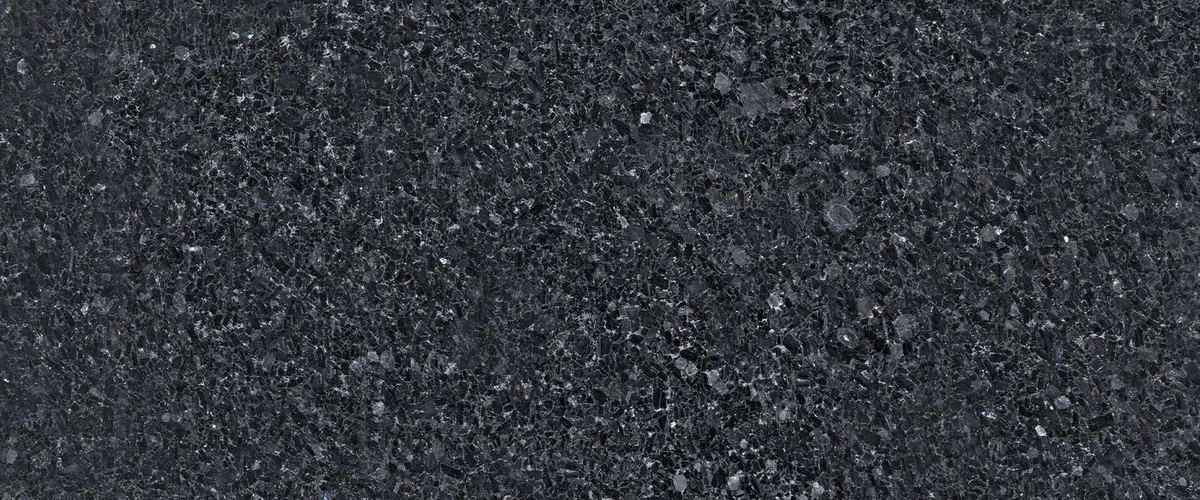
Bespoke granite worktops and surfaces
Dense, hard and unfussy: granite for bespoke kitchen worktops, bar tops and the surfaces that take the most use, coordinated for projects across London.
Granite is an igneous rock, crystallised slowly from molten magma, and made mostly of quartz and feldspar with flecks of mica. That makes it one of the hardest and most durable stones in interiors, resistant to scratching and to heat, and low in porosity compared with marble. Its colours run through grey, black, white, brown, gold and blue, with a granular pattern rather than marble’s long veins. In the trade, the name also covers some gneisses and other crystalline stones.
We use it for kitchen worktops and islands, bar tops, utility and pantry surfaces, vanity tops, dining, coffee and side table tops, steps and hearths, and, in flamed or brushed finishes, for outdoor kitchens. It sits well on timber, metal or painted joinery that we produce to carry it.
Granite is not indestructible. It is hard on blades, can chip at edges, and a hot pan taken straight from a flame can crack it. We cover those limits below, and where a veined, expressive look matters more than toughness, marble or quartzite may suit better.
Granite finishes: honed, polished and the rest
Granite is hard enough that every finish wears well, so the choice is about look and feel. In plain terms: polished is glossy and hard-wearing, honed and leathered are softer and hide marks, and flamed is for grip outdoors.
Polished
Looks and feels: a deep gloss that makes the crystals sparkle and darkens the colour. Glassy smooth.
What shows: fingerprints and water marks show, especially on dark stone. It does not etch the way marble does.
Grip: the smoothest finish, and it can be slippery when wet.
Suits: kitchen worktops, vanity tops, bar tops and dining tops.
Honed
Looks and feels: smooth and matt, with a softer, slightly paler colour.
What shows: shows fingermarks and water less than polished. Seal it, because it is a little more open.
Grip: better than polished.
Suits: worktops, table tops and floors where a quiet surface is wanted.
Leathered
Looks and feels: a soft, lightly textured surface with a low sheen, popular on darker granite. Tactile.
What shows: hides water spots and fingermarks. The texture can hold some dirt.
Grip: more grip than polished.
Suits: kitchen worktops, islands, bar tops and bathrooms.
Brushed
Looks and feels: slightly rippled with a low sheen and an aged feel.
What shows: texture hides marks but holds some dirt.
Grip: more grip than polished.
Suits: floors, worktops and cladding.
Flamed
Looks and feels: rough, bumpy and matt, made by flaming the surface. A classic granite finish.
What shows: little, but it is harder to clean.
Grip: chosen for grip, mainly outdoors.
Suits: paving, steps, thresholds, outdoor kitchens and garden tables.
Also seen
Antiqued is tumbled, brushed or sanded to a worn, soft-edged look, and suits hearths, floors and period schemes. Bush-hammered is pitted and coarse, for external floors and feature walls. Sandblasted is a fine pitted matt. Names vary between makers, so ask what was actually done to the stone and look at a sample.
The colour of a finish on your own slab will differ from a photograph, so judge it from the actual stone. Finish alone does not decide how slippery a floor is: for floors, ask for a slip test result on your own sample. Read the full technical sheet on natural stone finishes and sealing, staining and etching of stone.
Granite in the library
Filter by colour, finish and thickness, or search by name or code. Select a slab to see it larger and to request it. Not sure about a finish? Finishes explained.
Where granite earns its keep
Granite is the sensible answer to heavy use. These are the places we most often recommend it.
Hard-working surfaces
- Kitchen worktops and islands. Scratch and heat tolerant, and calm under daily use.
- Bar tops and counters. Spills, glassware and constant wiping.
- Utility, pantry and prep areas. Where a surface is simply expected to cope.
- Steps, thresholds and hearths. Dense stone that holds its edge.
Furniture and outdoors
- Table and console tops. A dark, even stone makes a quiet, grounded top.
- Vanity tops. Low porosity and a polished finish are easy to keep clean.
- Outdoor kitchens and terraces. Flamed and brushed finishes give grip and weather well.
- Cladding and plinths. Thin, dense panels where durability matters.
Granite table tops and bar tops
Granite suits tables that are used hard: bar tops, garden and outdoor tables in flamed or brushed finishes, and the dining end of a kitchen island. The top is cut from a slab agreed with you and set on a base made by our partners and coordinated by us: timber, metal or upholstered. Weight, fixings and tolerances are resolved together, so the stone and the base arrive as one piece.
For an indoor dining or coffee table where long veining matters, marble or quartzite is more usual, and granite is the choice when toughness comes first. See stone supply, templating, cutting and fitting for the base options and what to decide.
Granite tops we supply
- Bar tops and counters
- Dining tables and island dining ends
- Outdoor and garden tables
- Coffee tables and side tables where a dark, calm top is wanted
What to expect
Granite resists scratching and heat well, though edges and corners can chip and a heavy knock to a thin top can crack it. A table top is also heavy: the base has to be made to carry it, and the partner fabricator confirms thickness and support for the stone being cut.
Finishes and edge profiles
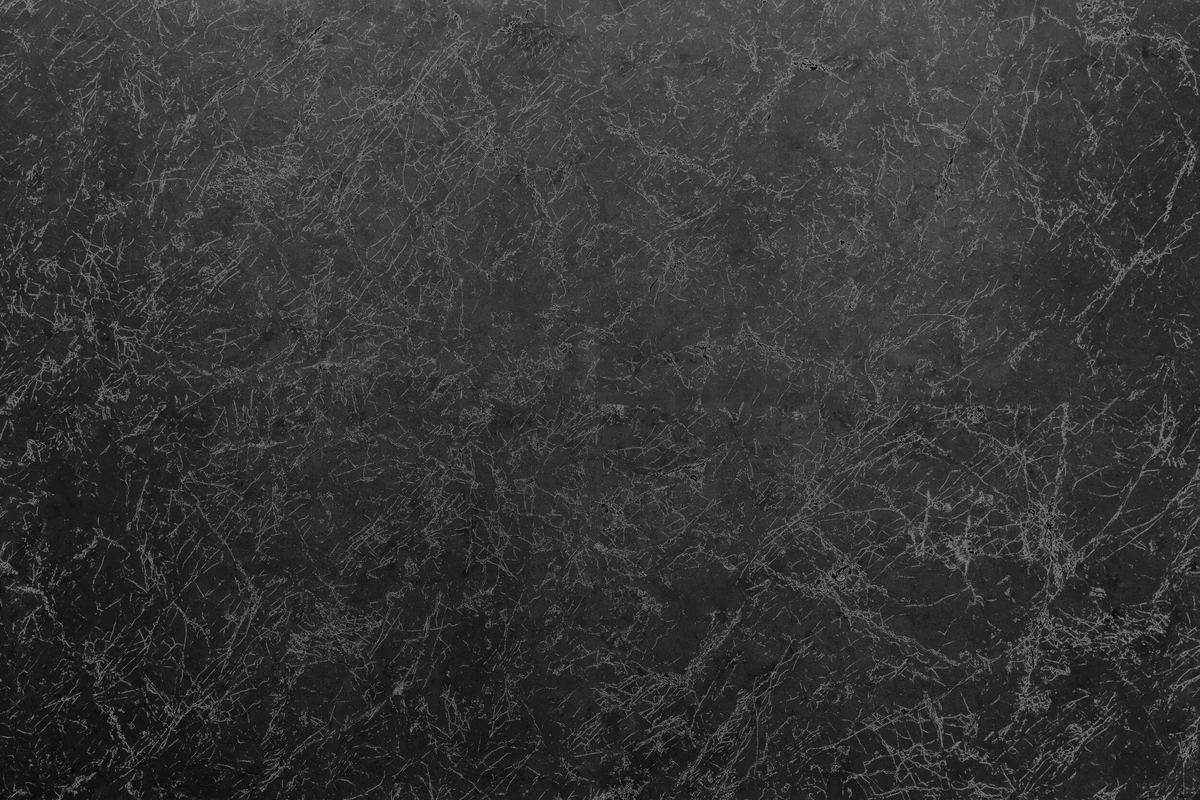
Polished granite reads deepest and is the easiest to wipe, though dark polished stone shows fingermarks and water spots. Honed is matt and softer in the room. Leathered has a gentle texture that hides marks, and brushed and flamed surfaces are textured for grip, which is why they suit outdoor use. The natural stone finishes sheet shows them side by side.
Because granite is hard, edges hold crisply: eased, pencil, bevel and bullnose profiles, a mitred apron for a thicker look, or a waterfall end. See edge profiles for stone and solid-surface tops. How far a given thickness can span, and where it needs support, is in the thickness, overhang and support sheet.
Honest limits
Granite is forgiving, but it is still stone. These points are worth settling before you choose.
Daily use
- Most granite resists staining well, but lighter and more porous stones benefit from sealing. We confirm what a given slab needs.
- Very hard stone will blunt knives, so use a board.
- Dark polished surfaces show fingermarks, dust and water marks more than lighter or honed ones.
- Do not move a hot pan straight from a flame onto the stone; sudden heat can crack it.
Fabrication and variation
- Granite is dense and heavy: about 55 kg per square metre at 20 mm, so the supporting structure must be specified for it.
- Hardness means slower, more specialist cutting, so cut-outs and edges are agreed early.
- Natural fissures, pits and crystal pockets are part of many granites and are not faults.
- Pattern and colour vary within a slab and between slabs, so we agree the exact slab with you.
The sealing, staining and etching sheet and worktop materials compared put granite alongside the alternatives.
From selection to fitting
Slab selection
We shortlist from the library with you and, where the project justifies it, arrange slab viewing and approval before anything is cut.
Templating
Tops are templated on site once the supporting structure is in position, so the stone fits the room as built.
Cutting and edges
Cutting, cut-outs, drainage grooves and edge profiles are made to your detail, with veining planned across joints.
Fitting
Delivery to site and fitting, coordinated with the other trades so the stone arrives when the structure is ready.
Joinery coordination
We produce the joinery the stone sits on, so weight, fixing and tolerances are resolved together.
Questions about granite
Is granite better than quartzite?
They are close. Quartzite is usually harder still and carries marble-like veining, while granite is more uniform and, in many colours, more predictable. We can walk you through both, and the library lets you compare.
Is granite suitable for a dining table or coffee table?
Yes, particularly where the top will be used hard, such as a bar top, an outdoor table or the dining end of an island. Granite resists scratching and heat. For an indoor table where long veining matters, marble or quartzite is more usual. See stone supply, templating, cutting and fitting.
Does granite need sealing?
Many granites are dense enough to need little, but lighter and more porous ones benefit from a penetrating sealer. We confirm what your slab needs before it is fitted.
Can granite take heat?
It copes with heat far better than marble, but we still advise a trivet, and never a pan straight from a flame, because rapid temperature change can crack stone.
Can granite be used outdoors?
Yes. Flamed and brushed finishes give grip and weather well, which is why they are used for outdoor kitchens and terraces.
Why do two slabs with the same name look different?
Natural stone varies from block to block and slab to slab. Photographs are a guide, so we agree the exact slab with you, and the approval sheet explains how.
Is the stock live?
No. A recent snapshot of stock is shown, refreshed weekly, is subject to availability and is confirmed on enquiry.
Read more
- Stone worktop thickness, overhang and support
- Edge profiles for stone and solid-surface tops
- Natural stone finishes reference sheet
- Sealing, staining and etching of stone
- Worktop materials compared
- Ten common stone specification mistakes
- Stone sample, slab and book-match approval
- Responsible sourcing of natural stone
- Durable materials for furniture
Have a scheme you’d like to build?
Tell us about the project, the room and the stone you have in mind. We will confirm availability and come back to you.