Bespoke Joinery
Metal Inlay
Brass, bronze and nickel set flush into timber
Brass, bronze and nickel set flush into timber
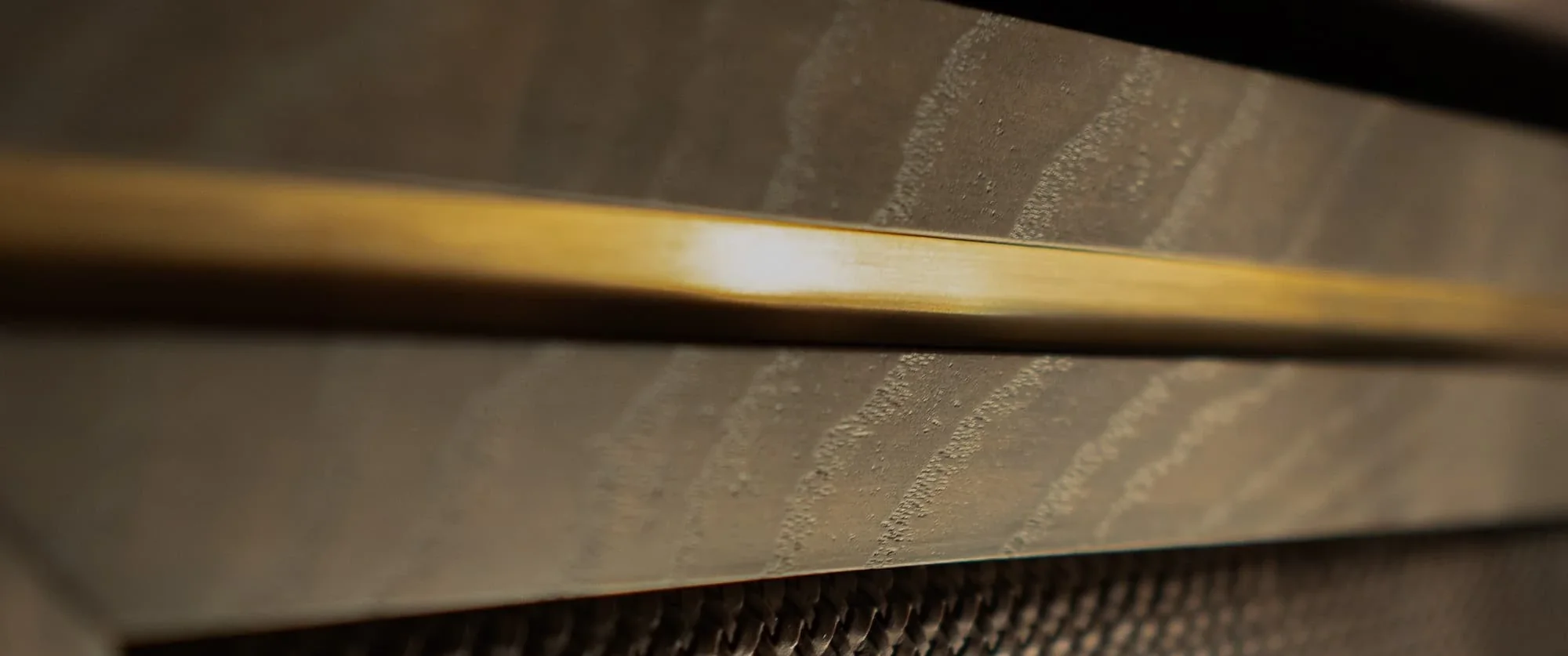
Metal inlay sets brass, bronze or nickel flush into the surface of timber, stone or panelling, so the two read as a single plane — from a fine line of stringing tracing a door to a full composition across a table top. Make Bespoke Studio produces metal inlay as part of bespoke joinery and furniture for residential and hospitality interiors.
It is one of the most demanding details in joinery. Metal and timber move at different rates, take polish differently and forgive nothing at the joint, so every inlay is resolved at the drawing stage — channel sizes, bonding, finishing sequence — before a strip is cut.
The work is made across our partner metalwork and joinery workshops and coordinated by one studio team, so the metal and the timber are made for each other: movement allowed for, finishes matched, the seam invisible to the touch.
Inlay earns its place wherever a surface needs definition without weight. In joinery it most often appears as:
Brass is the default: warm in colour, kind to work and steady with age. Bronze runs darker and richer and takes patination beautifully, deepening over the years into something new metal cannot fake. Nickel silver and stainless steel give a cool, silvery line for contemporary schemes. Each can be left bright, brushed, darkened or patinated — our guide to metal finishes covers the full range.
Metal and timber expand and contract at different rates, so an inlay has to be designed for the room it will live in, not just the workshop it is made in. Channels are sized to the metal and the timber species, metal and wood are finished together so the surface reads as one, and the inlay is checked against the approved sample before a piece is released. Where a piece carries load, the structure is steel or PVD-coated stainless rather than brass, which is too soft to do that work alone.
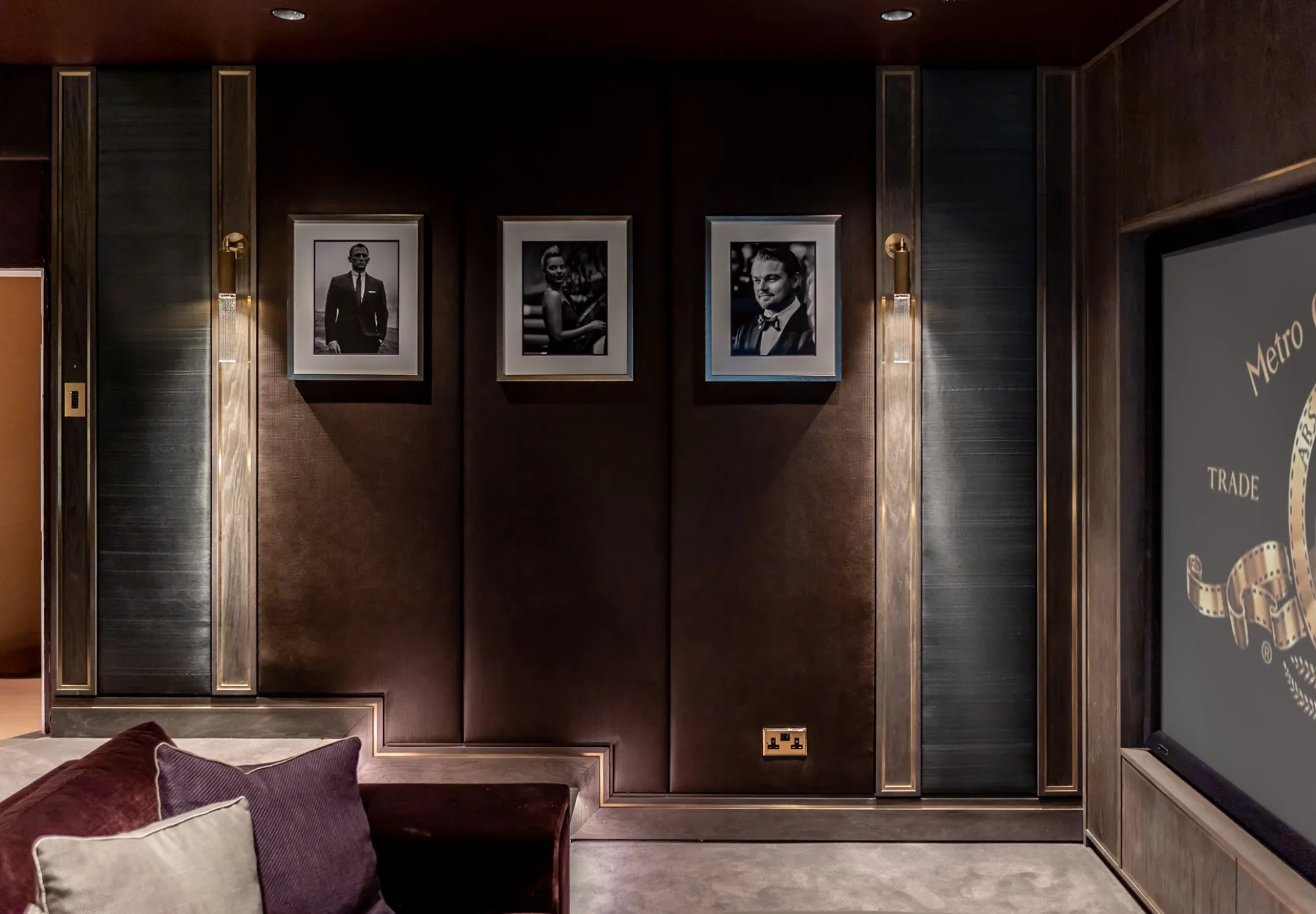
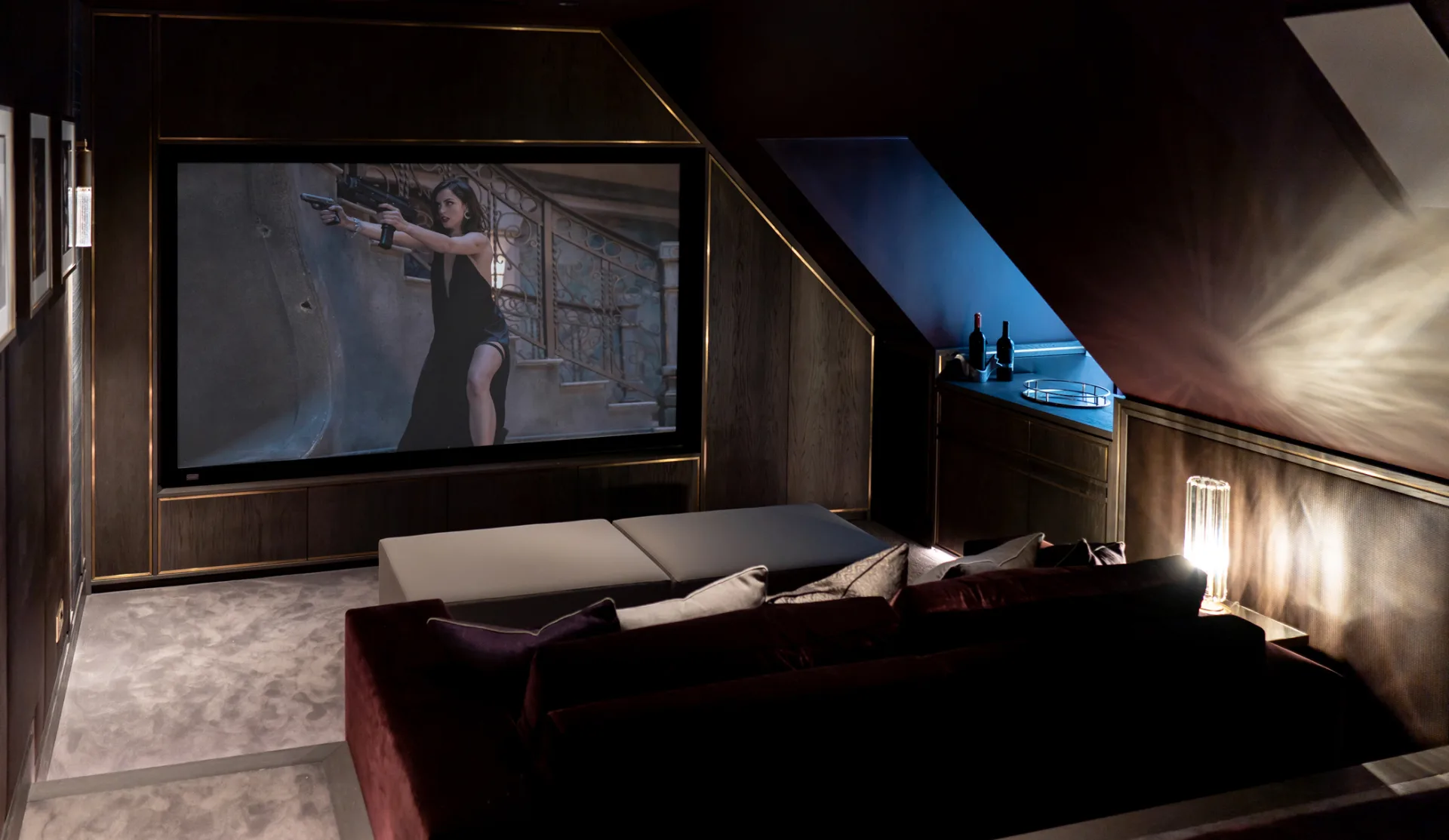
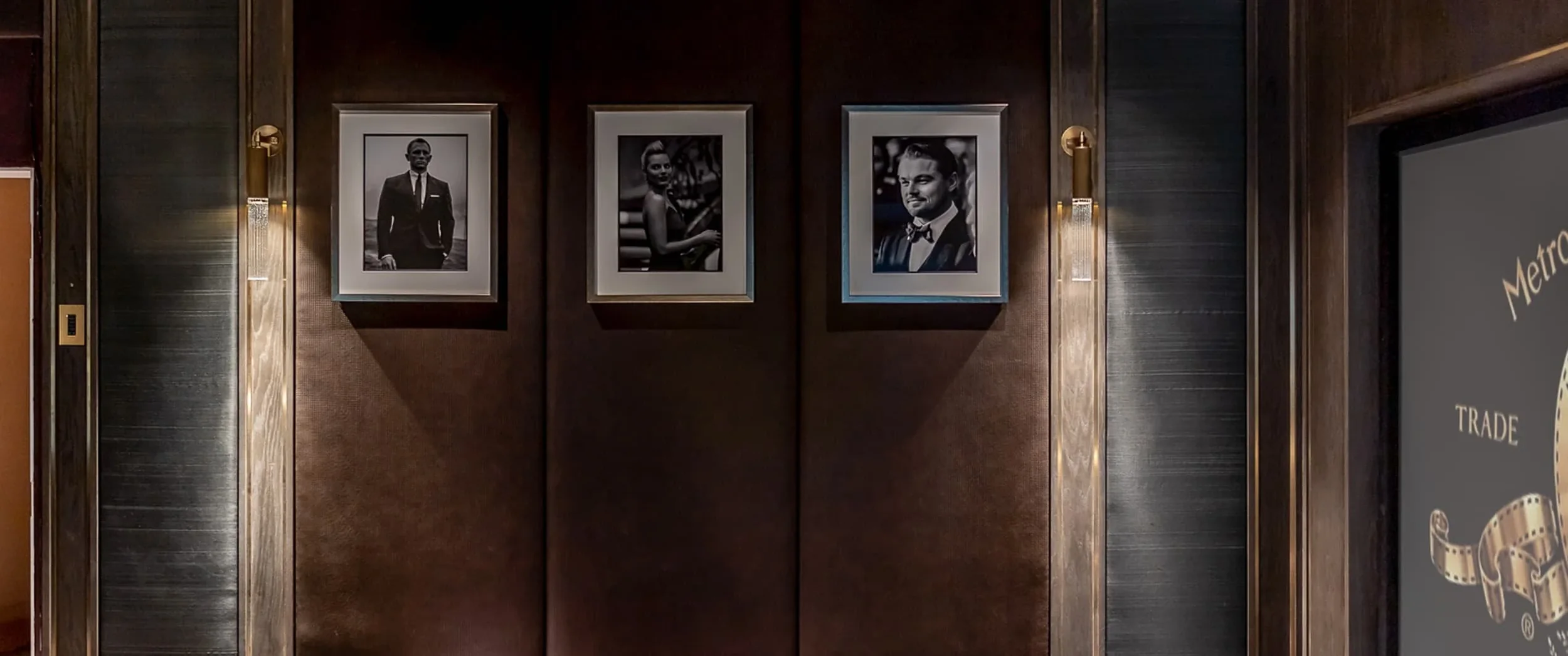
In a joinery-led home cinema in rural Oxfordshire, designed with Rachel Battais Interiors, fine brass inlays run through grey oak panelling — tracing around doors, framing shelving and punctuating key junctions. Integrated LED lighting grazes over the brass, so the lines glow softly when the room goes dark. See the project.
Share drawings, a reference image or simply the idea — a single brass line or a full inlaid composition — and we will come back with materials, samples and an itemised quote. For the history and craft of the technique, read our journal guide to metal inlays.